

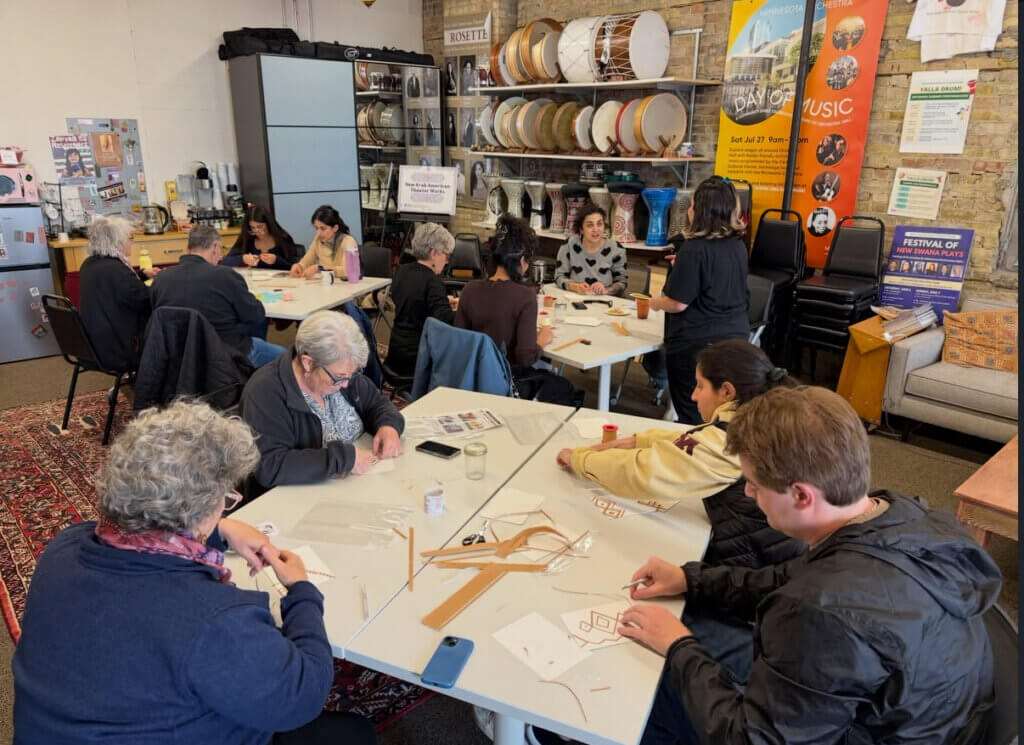
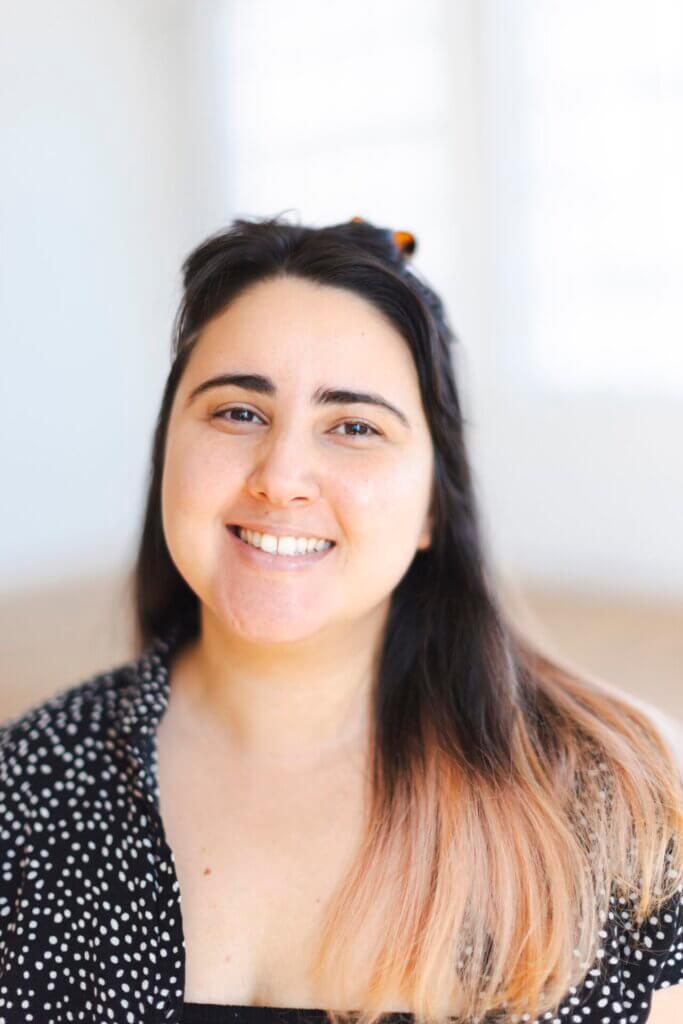
Sarah Abdel-Jelil is a Mauritanian-American filmmaker, dancer, musician, and multimedia artist based in Minneapolis, Mni Sota Makoce (Minnesota), USA. Inspired by her nomadic upbringing in a multicultural, interfaith household across eight different countries, her work explores the relational nature of home, movement, and liminal spaces as well as the tether between human and the more-than-human environment. She holds an MFA from the University of Minnesota and a BA in cinema and media studies from Carleton College and is a recipient of the 2026 Spillway Fellowship, 2019/20 MCAD-Jerome Foundation Fellowship for Early Career Artists, and the 2017 Minnesota State Arts Board Artist Initiative Grant. Her work has been screened at numerous venues and festivals, including The Performance Arcade (Wellington, Aotearoa/New Zealand), the Twin Cities Arab Film Festival, St. Cloud Film Fest, and Altered Aesthetics Film Festival. She has completed residencies at Rosy Simas Danse three thirty one space (Minneapolis, MN), Caldera Arts Center (Sisters, OR), Château de La Napoule (Mandelieu-La Napoule, France), and The Arts Centre (Ōtautahi, New Zealand). She is part of the CHANT (Culture Healing Nature Technology) collective and the Yalla Drum Ensemble with New Arab American Theater Works.
Program Offerings
Teaching Artist Statement
I love teaching because it is a dynamic, creative act that supports group dynamics and individual learning while honoring a variety of learning styles and ways of being. As a Mauritanian-American artist with a nomadic upbringing, I grew up in eight different countries, and I center cultural competency and relational ways of knowing in my creative practice and in how I teach. How we learn and experience the world is influenced by language, cultural experiences, community, etc…. I think teaching is a beautifully disorienting practice, because I’m continuously learning and re-learning to decenter dominant ways of knowing and move from a place of multiplicity.
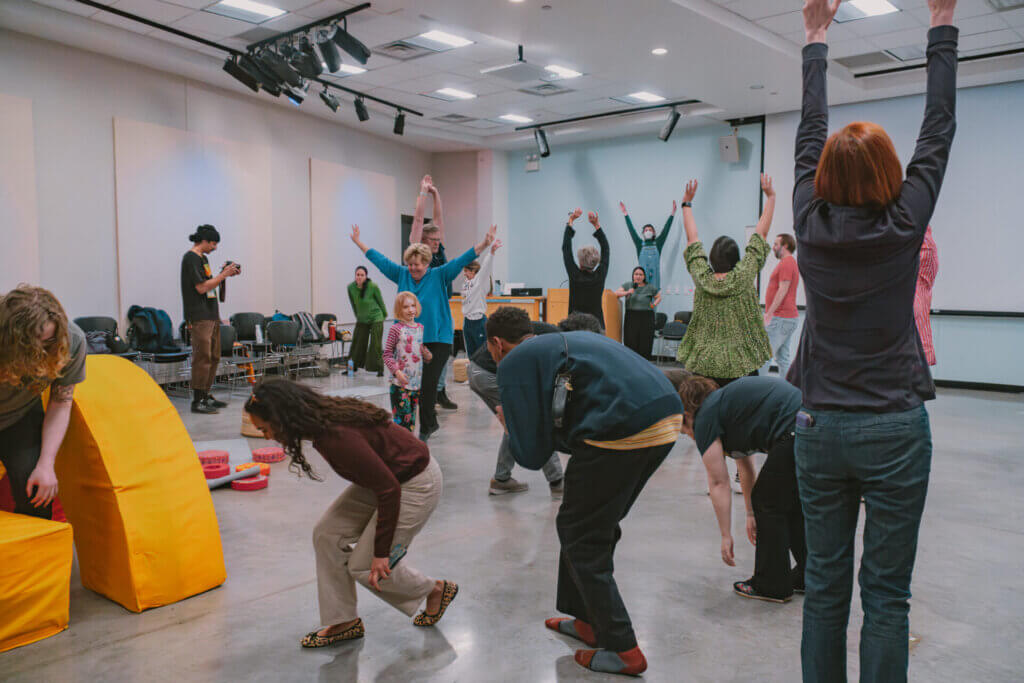
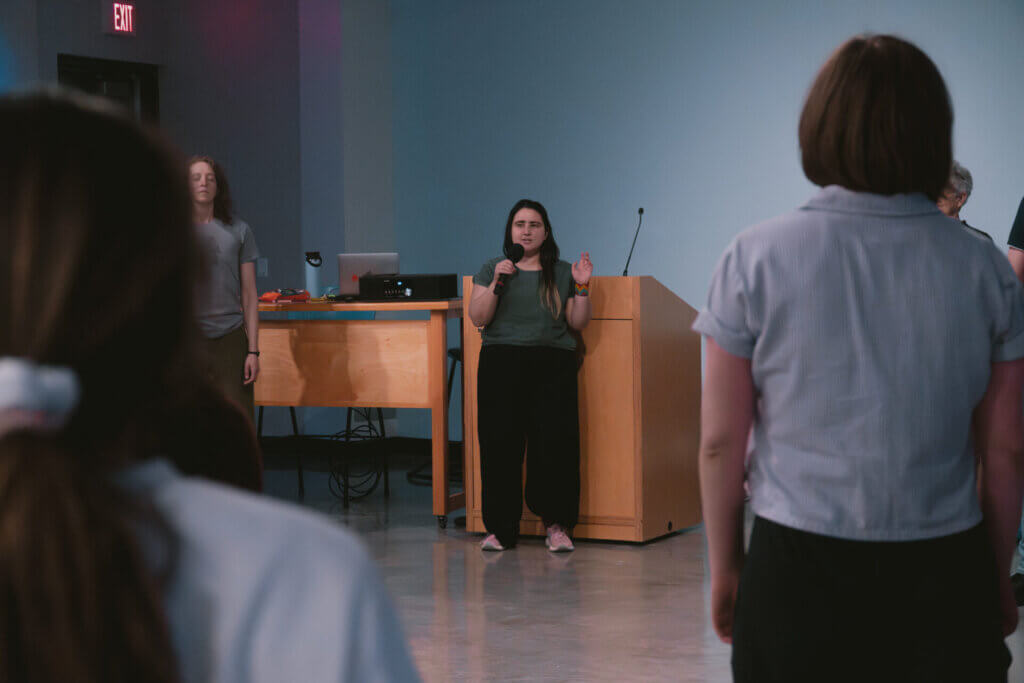
As a teaching artist, my role is to facilitate a safe environment for students to express themselves creatively. Drawing from my time as a facilitator of intercultural dialogue in 2013, I usually circle up at the beginning and end of the workshop or class session to collaboratively set up our ground rules and how we want to show up in the space that day, and then allow time at the end for reflection.
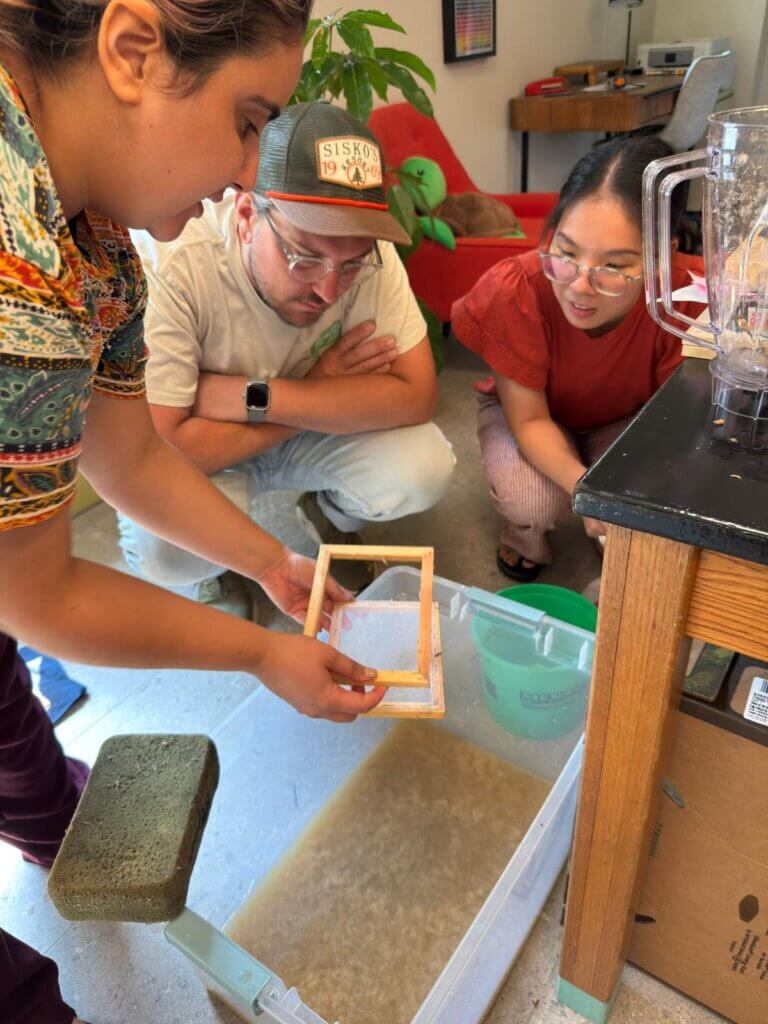
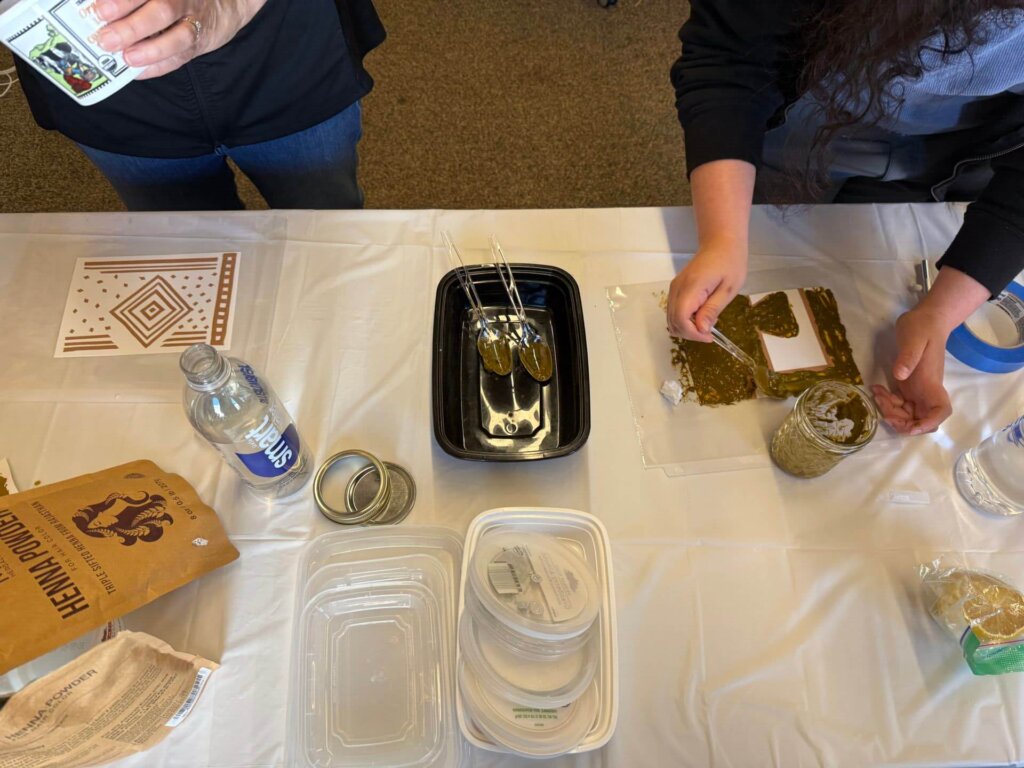
There are so many ways to learn and be in the world, and I think the classroom should reflect that. Accessibility is important to how I teach and show up in relation to community. I teach for a variety of learning styles (kinesthetic, visual, etc.) and try to be diligent about creating accessible materials for my workshops (whether it’s ensuring instructional videos are captioned or printing accessible workshop outlines for participants to follow along, creating modifications depending on access needs).
Play is also central to my teaching philosophy. It facilitates learning and a sense of community between participants. In a world that can feel pretty fractured, connection and community are important.


