

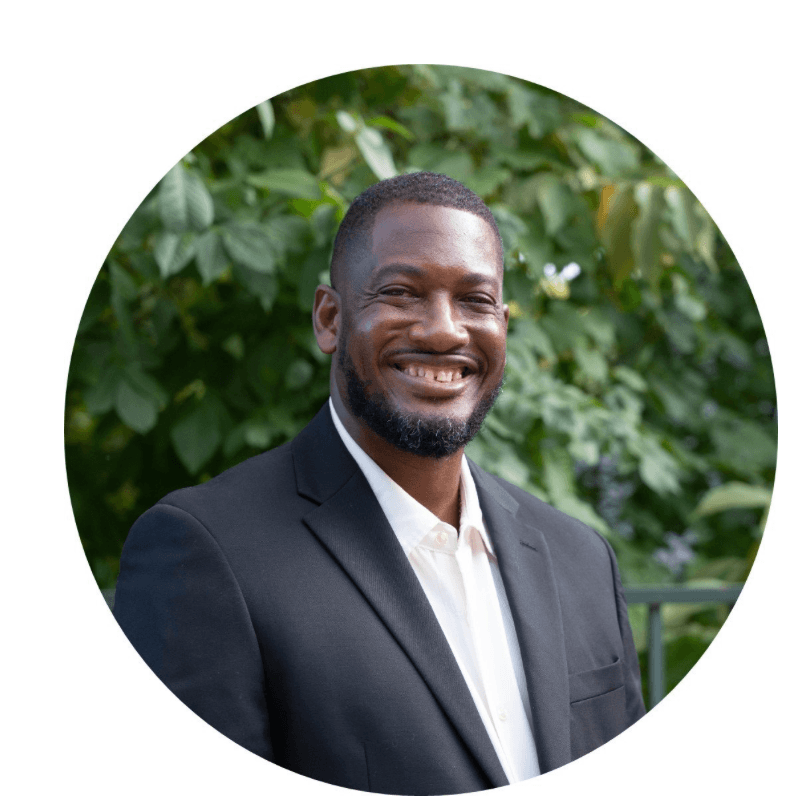
By Frank Sentwali
COMPAS Principal Teaching Artist
I think I can speak for most of us in the community when I say that the Gregorian calendar year 2026 has started off with a bang.
As I write to you, COMPAS blog readers, this Tuesday, February 17th, one morning after witnessing the appropriately themed “This is Culturally Inappropriate” Dave Chappelle comedy concert, I can’t help but think of his words from his latest Netflix special, The Unstoppable.
Photo: Frank Sentwali
Describing the current social and political climate, the conspiracy theories, the misinformation, and what I like to call “diss” information, Chappelle stares into the camera and exclaims, “This is INSANE!”
That brought me straight to my Spoken Word heroes, The Last Poets, who shouted passionately in the title track of their 1971 album recording, “This Is Madness!” Fifty-five years have passed between The Last Poets’ cry and Chappelle’s proclamation, and my conclusion is that at least two things remain true: Comedy and Spoken Word Poetry are the two most difficult, direct, and unfiltered forms of entertainment resistance. And the best medicine for these crazy times is love, laughter and poetry from the youth.
Listen to Frank read the blog post
A Drive South
I started my ramp-up to the busiest teaching season for COMPAS Teaching Artists by driving down to a small elementary school in south-central Minnesota to finish some work I started in December. The students are over an hour from Minneapolis by driving time and years away from a mature understanding of the political climate that fills our headlines. Yet the first words out of a student’s mouth, after hearing the classroom teacher ask about my drive, were: “I heard they shot a man up there.”
Without giving it a thought, my response was (paraphrasing) “Yeah. The world can feel heavy sometimes. But we don’t have to stay there. Let’s write about what’s beautiful in our lives. Or what we wish the world would be.”
And with that, 9-, 10-, and 11-year-olds wrote short poems about Roblox and Fortnite, pets and siblings, best friends and fishing with dad, and, yes, also about feeling unsafe or scared in the world. There were students who barely spoke English and others who barely spoke at all. A few wrote full-page poems; some barely wrote. But they all represented joy and hope in a state that’s been struggling to find glimmers of either, beyond what the artists and activists provide.
The Kid Who Couldn’t. But Did.
By the time I returned for my final two days in February, the students who had yet to perform were nervous but ready. The classroom teacher had a sign-up list for those who wanted to share their poems at the school’s family night (which many of them did) later in the evening on my last teaching day. But first came the in-class performances. One by one, students came to the front and shared their couplets and quatrains, and even poems that didn’t rhyme but were rhythmic in delivery, authentic to each child’s personality.
Then it was time for a student whose voice hadn’t been heard throughout the entire residency. I only knew the sound of his voice because he’d managed to utter a few words during the allotted practice time. When his name was called, he went silent and still. His classmates cheered encouragement. And still, he didn’t move.
After some gentle persuading, he finally stood and walked to the front of the room. Just that act alone was met with roars of approval. It was clear that he carried more than just a piece of paper to the front of the room. And yet here he was, being asked to put himself on display in a way he’d never been asked to do before.
His classmates, his teacher, and the Teaching Artist who’d put him in this awkward and uncomfortable position (AKA me) all stood beside him, ready to hear his poetic cry. We were no longer an audience. We were his accompaniment.
We waited patiently. No words came. He tried and tried, standing there holding his poem, just barely audible, some mutters and mumbles as he stared at the page. I could see everything in his spirit wanting to break free. I told him it was okay. And then, I did something I’ve never done in a class before. I asked the class to all join in and say his poem together. The excitement was unanimous. I read a line and the entire class repeated. Then I read the next line and the class chorus followed once again. I became performative with my voice as I read each of the 8 lines of this young man’s poem and each of his classmates flanked on either side of him repeated the phrases. After the last line I thanked the class for their showing of love and community and asked them to give their classmate a round of applause for even trying.
They cheered. They consoled him. They showed him love. The teacher later told me it was more encouragement than he was used to receiving. “He needed that,” she said. She was hopeful it would be a turning point for him. I hope it will be a turning point in all their young lives. A moment where they experienced the satisfaction of being an active player on Team Human. T.E.A.M: Together Each Accomplishes More!
Why We Fight. Why We Art.
Our young friend didn’t manage to get his poem out audibly that day. But he did manage to display his humanity to classmates who had misunderstood him, and they found themselves cheering for him and, even more importantly, standing beside him. It symbolized our Minnesota community in this fight for human decency.
Before I left the media center, students asked for autographs, offered hugs, and asked if I’d ever return to their school. They were discussing their poems with each other, and a few were still consoling their friend who “couldn’t” but “did,” simply by trying.
Spoken Word is hard and vulnerable, like fighting for what’s right. But there’s no better example of the simplicity of right, wrong, and human connectivity than the expressions of unbridled joy that come from the youth.
Thank you to the students and educators in south-central Minnesota for reminding me why we fight and why we “art”.
Names and identifying details have been omitted to protect student privacy.
Bring This Work to Your School
If you’re an educator, administrator, or community member who wants to bring Spoken Word poetry to your students, we’d love to connect. Learn more about COMPAS, our roster of Teaching Artists (including Frank!), and how we can bring creativity to your environment here.
The youth have something to say. Let’s give them a stage.
The perspectives shared here are the author’s and are not intended to represent official positions of COMPAS.
Read more stories about our work to put creativity in the hands of millions of Minnesotans here.
Sign up for our newsletter to stay up-to-date on all things COMPAS here.
Support our work here.


